
Ever felt your car acting like a sulky teenager? full of promise but zero get-up-and-go? That's often your turbocharger waving a white flag. After years of working alongside UK motorists, one thing is crystal clear: turbochargers are brilliant bits of engineering! until they’re not.
This guide isn’t theory-heavy waffle. It’s built on hands-on diagnostics, real-world failures, and what actually works in UK driving conditions.
If your car's lost its puff, stick with BNS Motors; we'll spot the turbo replacement red flags early and get you zipping along with our top-notch turbo car service. No fluff, just straight-talking fixes.
Turbocharger Explained: What It Is, Why It Matters & Replacement Signs
A turbocharger is like a personal trainer for your engine, forcing more air into the combustion chamber so it can burn fuel more efficiently and produce more power. Great when it’s healthy. Painful when it’s not.
In modern UK cars, turbos are everywhere; from hatchbacks to vans. But they work under extreme heat and pressure, which means wear is inevitable. Knowing when turbo replacement is necessary can save you from a roadside breakdown and a repair bill that makes your eyes water.
There’s no single mileage number that screams “replace me now.” Instead, your turbo drops hints, sometimes subtle, sometimes loud enough to ignore at your peril.
Let’s break down the key warning signs.

Is Your Car Losing Power Like It’s Out of Breath?
One of the earliest signs of turbo trouble is noticeable power loss. Your car feels sluggish, overtakes become stressful, and acceleration feels not so good.
Why it happens:
- Worn bearings
- Boost leaks
- Damaged turbine blades
If your engine feels like it’s running a marathon with a cold, it’s time for turbo diagnostics before things spiral.
Do You Hear Whining, Sirens, or Whistling Noises?
A healthy turbo hums quietly. A failing one? It sings badly.
Common sounds include:
- High-pitched whining (bearing wear)
- Loud whistling (boost leaks)
- Metallic grinding (internal damage)
These noises don’t fix themselves. Ignoring them is like turning up the radio to drown out a knocking engine. Spoiler: it ends badly.
Is Excessive Smoke Coming from the Exhaust?
Smoke signals matter—especially when they’re coming from your tailpipe.
- Blue smoke → oil leaking into the turbo
- Black smoke → incorrect air-fuel ratio
- White smoke → possible coolant issues
Any of these can indicate a turbo on its last legs. A proper turbo car service can confirm whether repair is possible or if turbo replacement is the safer bet.
Is the Check Engine Light Ruining Your Mood?
That little amber light isn’t there for decoration. Modern cars monitor boost pressure and airflow constantly. When the turbo misbehaves, the ECU notices.
A professional turbo diagnostics near me service can read fault codes, test boost levels, and pinpoint whether the turbo is failing—or another component is pretending to be the villain.
Why Is Professional Turbo Diagnostics So Important?
Guesswork has no place in modern engines. Proper turbo diagnostics involves:
- Boost pressure testing
- Oil flow inspection
- Smoke analysis
- ECU fault code scanning
This ensures you’re not replacing a turbo when the real issue is a blocked DPF, faulty actuator, or split hose. Accuracy saves money; simple as that.
What Happens During Turbo Replacement at BNS Motors?
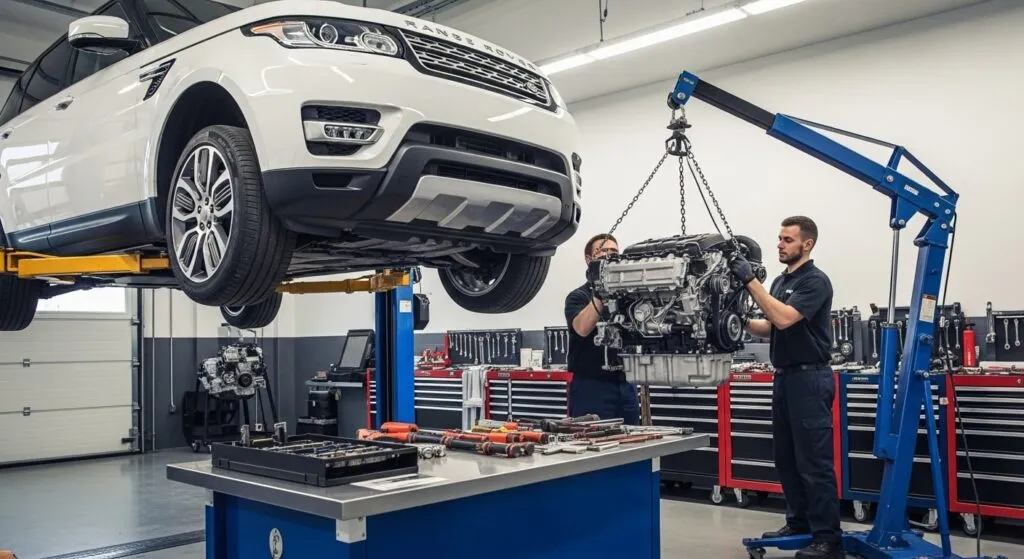
Replacing a turbo isn’t a “plug and play” job. At BNS Motors, turbo installation and turbo fitting follow a meticulous process:
Step-by-Step Approach:
- Full pre-installation diagnostics
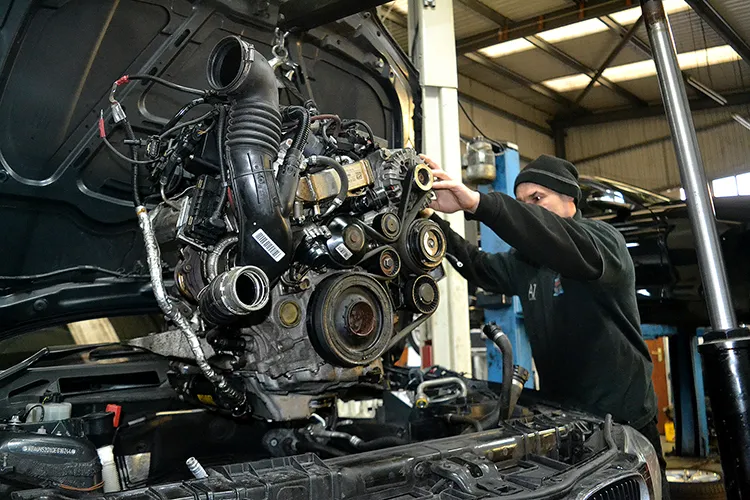
- Removal of the failed turbo
- Oil feed and return line inspection
- New turbo installation
- Fresh oil and filter
- ECU checks and road testing
It’s done right the first time because cutting corners with turbos is asking for déjà vu repairs.
Why Choose BNS Motors for Turbo Repair Services?
Plenty of garages claim turbo expertise. Fewer actually live it.
What Sets BNS Motors Apart
- Experienced turbo specialists
- Advanced diagnostic equipment
- UK-market vehicle expertise
- Transparent advice—no jargon, no pressure
- Proven results and repeat customers
Whether you need turbo repair services, full turbo replacement, or just honest advice, you’re dealing with people who know turbos inside out.
Costs of Turbo Replacement in the UK
Budgeting? Realistic quotes:
Vehicle Type |
Repair Cost |
Replacement Cost |
Est Price (Inc. Fit) |
|
Small Diesel (e.g., VW Golf) |
£500 |
£1,200 |
£1,050 |
|
Premium (e.g., BMW 3-Series) |
£700 |
£1,800 |
£1,600 |
|
SUV (e.g., Audi Q5) |
£600 |
£1,500 |
£1,350 |
Final Thoughts
Turbochargers are indeed the marvels of modern engineering, small components doing brutally hard work. When they fail, they don’t whisper; they shout through smoke, noise, and lost power. The key is listening early.
What makes turbo care unique isn’t just the technology, it’s the timing. Catch problems early, rely on expert turbo car service, and choose specialists like BNS Motors who fix causes, not just symptoms. Do that, and your turbo won’t just boost your engine, it’ll boost your peace of mind.
FAQ’s
1. How do I know if my turbo needs replacing or repairing?
A professional turbo diagnostics check is the only reliable way. Symptoms alone can be misleading.
2. Can I drive with a failing turbocharger?
You can. But you shouldn’t. It risks engine damage, poor fuel economy, and sudden breakdowns.
3. How long does turbo replacement take?
Most turbo fitting jobs take 1–2 days, depending on vehicle complexity.
4. Does turbo replacement improve fuel economy?
Yes. A healthy turbo restores proper air-fuel balance, improving efficiency and performance.
BNS Motors Editorial Team
Expert insights on reconditioned engines, vehicle maintenance, and performance upgrades. We bring years of automotive excellence to your screen.