
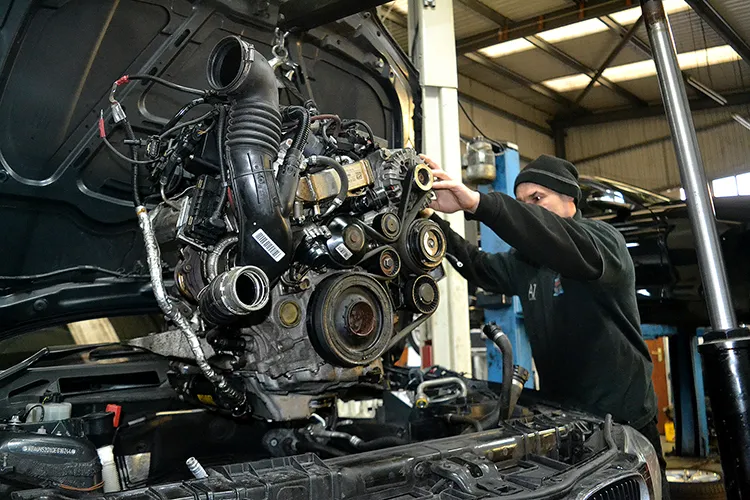

This guide is built for garage owners or car enthusiasts stuck between where and how to source engine parts wisely; if that’s you, keep reading.
Ever stared at a stripped-down engine block and wondered, alright, where should I even begin? You’re not the only one. Either you are halfway through a garage project or simply trying to understand what your mechanic is charging you for, choosing the proper engine rebuild parts might feel like building flat-pack furniture with half the instructions lost. Getting it wrong means a car that won’t start, or worse, one that breaks down on the highway.
The good news is that it’s not a guessing game here. With a little knowledge, you can enter any garage or parts supplier and know exactly what you need, why you need it, and what happens if you miss it.
What Exactly Qualifies as an Engine Rebuild?
You might have heard the term engine rebuild at every other garage you walk into. But what’s actually an engine rebuild? Does rebuild differ from engine reconditioning? Let’s solve this riddle first.
Rebuilding an engine goes beyond only attaching a few new components to an old block and praying for the best. It’s a complete teardown where the engine is disassembled to its bare bones, every part is checked, and everything old, damaged, or beyond its best is changed.
Imagine it as remodeling an outdated home. You would not redo the walls and disregard the damaged base, would you? Here too, the same reasoning is relevant.
Rebuilding usually involves:
- Removing and checking the crankshaft
- Changing damaged piston rings
- Checking and frequently replacing the timing chain
- Installing new gaskets, especially the crucial head gasket
- Flushing and changing engine oil and coolant lines
Why Is Choosing the Right Parts So Important?
A rebuild is only as strong as its weakest part. One component with low-cost, bad quality might negate many hours of painstaking work done in other areas.
Bad engine rebuild components usually result in knock-on damage rather than simply failing quietly. For example, a worn timing chain might throw your engine’s timing out entirely and cause bent valves or a scored cylinder wall. That’s a second build waiting to happen, not a little repair; that’s not even close.
Selecting good components the first time helps you to save:
- Money (avoiding repeated repairs)
- Time (not re-stripping the engine six months later)
- Stress (as no one likes a breakdown on the school run)

Most Common Signs You Need a Rebuild?
Not sure if your engine really needs rebuilding or if it’s only having an off day? These are the traditional warnings:
- Too much smoke from the exhaust: blue smoke usually indicates oil burning past broken piston rings
- A chronic coolant leak without a clear external source
- Knocking or rattling noises, often linked to crankshaft or bearing wear
- Constant timing chain problems, like startup rattle
- Signs of head gasket failure: white, milky oil or coolant mixing with oil
You should start sourcing parts rather than hoping the issue would solve itself if you are nodding along to more than one of these.
How Do You Pick the Best Engine Rebuild Parts?
Most people get fooled here. There is no shortage of choices, but still not all parts are made equal. Here’s how to logically consider it.
1. Match Components to Your Engine Specification
Engines vary, even within the same brand. Some minor design changes mean a part that fits one model year may not fit another. Always check the engine code before ordering, not just the vehicle type.
2. Choose Among New, Rebuilt, or Remanufactured
Here is a really significant crossroads:
- New parts recently made are dependable but sometimes more expensive.
- Reconditioned engines and parts have been fixed and brought back to operating condition.
- The top remanufactured engines go one step farther: thoroughly stripped, cleaned, and rebuilt to original factory specifications, usually with updated parts as needed.
Remanufactured parts, if your budget allows, typically offer the greatest compromise between cost and long-term quality.
3. Don’t Neglect the Minor Details
One is tempted to spend money on a glossy new crankshaft and neglect gaskets or spark plugs. No. Little components are just as likely to break as big ones are; when a £5 gasket gives way, it might bring down a £500 component with it.
4. Think on the Fuel System as Well
A rebuild is the ideal moment to check your fuel injector and associated parts. Bad combustion, rough idling, or lower fuel economy produced by a worn injector might jeopardize even the greatest rebuild.

Are Rebuilt Range Rover Engines and Rebuilt Ford Engines Different Working On
Yes; and you should know why.
Rebuilt Ford engines are usually simple; most versions have common designs across a vast range of vehicles and components are readily available, helping to keep prices reasonable and spare parts simple to obtain.
Conversely, reconstructed Range Rover engines typically provide a whole different beast. Especially in SUV and 4x4 vehicles when towing and off-road strain put more pressure on internal components, these engines are sometimes more sophisticated with stricter tolerances and more costly parts. If you’re working on one of these, finding real or excellent rebuilt engines and components gets much more crucial; usually this helps to prevent problems.
What About Gearbox And Other Repairs?
Rebuilding an engine seldom occurs in isolation. If you’re already elbow-deep in the engine bay, it’s worth checking whether gearbox repair is needed too, especially if you’ve noticed rough gear changes or slipping, since transmission issues can sometimes mimic or mask engine problems.
It's a little like repairing a leaky roof but disregarding the wet spot on the ceiling underneath; either attend to both, or you will most likely be back at square one.
Should You DIY or Use Rebuilt Auto Engines from a Specialist?
If you're skilled with tools and have previously rebuilt, DIY might help you save costs. But for most people, the simpler, safer path is to buy reconstructed vehicle engines that are already rebuilt to a good standard (from a reliable provider).
It's the difference between buying one from a bakery that has been honing the recipe for years and baking a cake from scratch. Both might go nicely, but one carries far less risk of collapsing halfway through.
What should you allocate for engine rebuild components?
Let's discuss numbers as no one enjoys surprises on a bill. Though your engine type would greatly affect costs, a basic estimate for you is:
- Basic Gasket sets and seals: relatively affordable but vital
- Piston rings and bearings
Crankshaft: One of the more expensive line items is crankshaft replacement.Completely rebuilt engines as a supply unit: usually greater value than manually obtaining every component.
If you’re working on an older or higher-mileage car, it usually makes more financial sense to buy a whole rebuilt engine unit than to assemble one component piece by piece. It also lowers the risk of mismatched parts causing problems down the road.
Engine Oil Choice After A Rebuild
Many times forgotten, once your rebuild is finished, the engine oil you use in the first few hundred miles is more important than you may imagine. A new rebuild needs correct running-in; using the wrong oil grade might stop parts like piston rings from sealing properly against the cylinder walls.
Stick to the manufacturer’s suggested oil grade and think about a shorter first oil-change interval than typical, because it’s a small step that prevents a big investment.
In a Nutshell
An engine rebuild is an investment in how long your car will continue to operate properly and how much stress-free driving you will get out of it, not merely mechanical work.
The proper engine rebuild components are not about purchasing the most flashy or the most affordable choice. Every single time, it has to do with finding the ideal component from the correct source for the appropriate engine. Get that right and your rebuilt engine will provide you years of dependable, trouble-free mileage.
Frequently Asked Questions:
1. How long does it take to rebuild an engine?
Most professional rebuilds take one to three weeks, depending on the availability of parts and how much damage is found during teardown.
2. Is it cheaper to rebuild an engine or buy a new one?
Rebuilding is usually much cheaper than purchasing a new engine, particularly if premium refurbished parts are used.
3. Can You Rebuild an Engine Without Removing It From the Car?
A full rebuild will usually involve taking the engine out so that it can be properly accessed and inspected, but some small maintenance can be done in situ.
4. What’s the difference between reconditioned and remanufactured engines?
Reconditioned engines are repaired to working condition, whereas remanufactured engines are completely disassembled and rebuilt to original factory standards, usually with better parts.
5. How do I know if my head gasket is blown?
Signs of a blown head gasket include milky oil, overheating, loss of coolant without a visible leak, and white smoke from the tailpipe.
BNS Motors Editorial Team
Expert insights on reconditioned engines, vehicle maintenance, and performance upgrades. We bring years of automotive excellence to your screen.